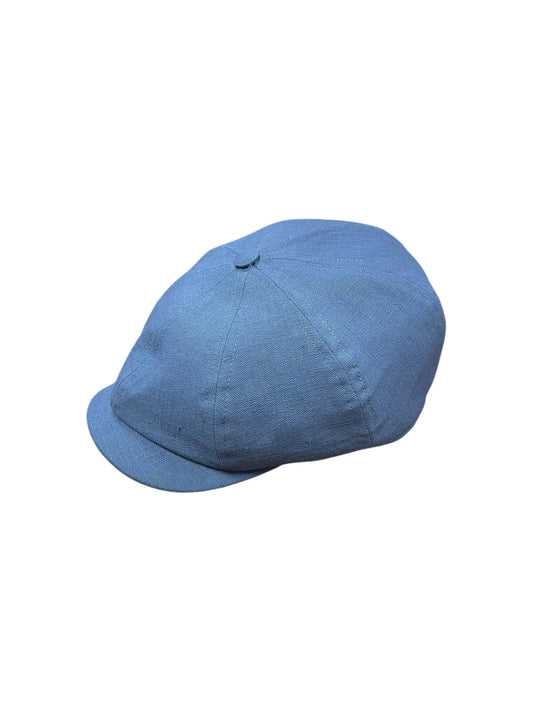
Top 5 Maker Marks, Labels and Stitching Details to Spot an Authentic Millinery Cap?
Is the bakerboy cap or flat cap tucked away in your wardrobe a genuine vintage original or a later reproduction? Faded labels, unfamiliar stitching and replaced linings can make it hard to be certain.
Whether examining a bakerboy cap or a flat cap, this guide sets out five practical signs to assess a millinery cap with confidence: maker's marks and labels, stitching and seams, materials and linings, provenance, and expert appraisal. You will learn how to decipher maker's marks, inspect stitch work, judge the authenticity of linings and fabrics, trace ownership history, and recognise when to seek a specialist's opinion.

1. Confirm maker marks and labels to establish authenticity and provenance
Begin by locating the label in the sweatband, beneath the peak or under the lining, and note how it is secured. Hand-stitched labels will usually show uneven stitch length and variable thread tension, whereas later additions reveal a uniform machine lockstitch. Gently lift the lining with a magnifying glass to see whether the stitching passes through the original layers and whether wear patterns match the surrounding fabric. Feel the label to distinguish woven tape, stamped card or embossed metal, and check for ink bleed, raised threads or heat transfer residue to assess the production technique.
Examine the wording and typography of millinery terms such as bakerboy cap, flat cap, hand blocked and bespoke, ensuring punctuation and spelling sit true to the construction details. Look for supplementary marks — inked initials on the sweatband, stamped size marks, tiny impressions on metal studs or embroidered signatures beneath the lining — and assess whether their methods and wear align with the main label. Finally, trace provenance through workshop tickets or repair slips, comparing stitch colour, thread thickness and needle type where secondary tags meet the cap; matching materials and congruent ageing between labels and fabric offer the strongest corroboration.
Choose a handcrafted English tweed cap for authentic detailing

2. Assess stitching, seams and construction for lasting quality
Work in strong light or with a jeweller's loupe and study the stitching with care. Note the stitch type and its regularity: lockstitch and chainstitch are common machine forms, while tiny, slightly irregular stitches, pad-stitches or pick-stitches point to skilled hand finishing. Small, even stitches running in a perfectly straight line often indicate machine work. Gently lift the lining or peer into the crown to inspect seam finishes and allowances. Felled seams, bound edges and neat topstitching are signs of careful construction; overlocked or crude zigzag finishes more often suggest factory assembly. Generous, consistent seam allowances and tidy trimming support deliberate tailoring, whereas stitches that run into knots or back-tacks can reveal later repairs. Under careful light and magnification, these subtle details make it possible to distinguish original millinery techniques from subsequent alterations.
Gently press the brim and crown to locate buckram, hair canvas or other interfacing, then glide a finger over the cloth to detect layered pad stitching that gives the hat its shape. Hand pad stitching feels slightly irregular compared with the uniform rows of machine work. Inspect the junctions where the peak, button and sweatband meet the shell: reinforced bartacks or discreet hand tacks at stress points usually indicate original maker work, while loose threads, mismatched thread colour or uneven knots often point to later repairs. Finally, study the panel joins for pattern matching and consistent stitch direction; aligned plaids or herringbone lines and a complementary thread choice are hallmarks of traditional millinery, as seen in bakerboy caps and flat caps popularised by Peaky Blinders style.
Choose a handcrafted tweed cap to examine traditional construction.

3. Assess materials, linings and finishing touches for craftsmanship
Gently press the crown, brim and sweatband, and where possible lift the lining to feel for separate supports such as canvas, buckram or horsehair. A distinct, resilient interlining and raw selvedge neatly tucked into seams are hallmarks of traditional millinery rather than a single glued shell. Look for matched pattern repeats across panels, a carefully aligned nap on felt and concealed selvedge edges. These details show the cutter preserved grain and colour continuity. Taken together, these tactile and visual cues provide reliable evidence of genuine craft, so you need not rely on labels alone.
Begin by examining linings and sweatbands for natural materials and meticulous stitchwork. Silk or cotton linings, full leather sweatbands and folded, blind-stitched hems are hallmarks of time-intensive finishing. With a loupe, count stitches per centimetre, note stitch tension and compare stitch types at stress points such as brim joins, crown seams and button attachments. Small, slightly irregular hand stitches at finishing points alongside consistent machine stitching elsewhere often indicate a judicious mix of hand and machine techniques. Look for piped edges, turned-in brims with concealed stitching, reinforced button shanks and interior bar tacks where panels meet. Check that patterns, especially tweeds and herringbones, match across seams; careful alignment is a clear sign of attention to detail, particularly on bakerboy caps and flat caps. Finally, lift lining corners and inspect beneath the sweatband for hand-inscribed marks, paper pattern scraps or neat repairs that mirror the original stitch type. Photograph any discoveries so they can be compared with provenance notes.
Opt for handcrafted British wool for authentic, durable millinery.

4. Trace provenance and ownership documentation to establish heritage and authenticity
Seek original paperwork such as receipts, shop stamps, hatter's tickets and estate inventories, and check that names, lot descriptions and stamped details correspond with the labels or markings inside the cap. Consistent documentary elements help to establish an unbroken chain of ownership. Compare the cap with contemporaneous photographs or labelled family images, looking for a matching silhouette, brim or peak profile, distinctive wear patterns, or personalised stitching visible in both image and object. This is particularly useful when assessing styles like bakerboy caps or flat caps, where a unique shape or wear can confirm identity. Obtain signed statements of ownership, sale catalogue entries or provenance affidavits, and verify signatures and notations against other documents to account for unusual repairs, bespoke alterations or any gaps in the provenance.
Request conservation, repair or hatter service records that set out the materials and techniques used during any intervention, and compare their descriptions of original fabric, sweatband initials or hand-stitching with what you observe on the cap. Cross-reference institutional and specialist records, such as museum accession files, exhibition labels and dealer catalogue entries, and ask for scans or catalogue citations where possible. Compare maker marks, construction details and descriptive language across those sources to confirm they refer to the same bakerboy cap, flat cap or other millinery piece. When these documentary strands align they form tangible evidence of provenance and help distinguish original features from later repairs.
Choose Orb-certified Harris Tweed for verifiable authenticity

5. Obtain expert appraisal and confirm provenance on marketplace listings
Begin by consulting an accredited millinery valuer or a museum textile curator and provide high-resolution photographs of the crown, sweatband, maker's mark and interior lining. Request a written report detailing construction techniques, materials used and any visible alterations. Cross-check seller claims across multiple marketplaces and auction catalogues by comparing photographs of maker's marks, label placement, stitch patterns and provenance notes. Retain matching examples as supporting evidence; regard consistent features across independent listings as corroboration and treat anomalies as prompts for further enquiry.
Begin by asking the seller for original purchase receipts, hat boxes, tailor's tickets or period photographs, then compare stamps, handwriting and paper types with other pieces attributed to the same maker to establish consistent provenance markers. Where material composition or repair history matters, seek an independent fibre and condition analysis from a textiles laboratory, since fibre types, dye residues and the presence of hand-stitching rather than machine stitching provide objective evidence. Share high-quality images, measurements and repair histories with specialist collector networks and forums to invite verification and alternative viewpoints. Draw attention to distinctive construction clues, for example a bakerboy panel layout or the single-piece crown of a flat cap, to encourage experienced members to supply matching examples or flag potential concerns.
Authenticating a bakerboy cap or flat cap rests on tangible clues: maker's marks, stitchwork, choice of materials, provenance and expert appraisal. A careful inspection of labels, seam finishes, linings and any repairs will reveal original millinery techniques rather than later alterations.
Treat each heading as a discreet step. Begin by verifying the maker's marks and labels, then examine the stitching and overall construction; assess the materials and linings, and trace provenance before seeking expert appraisal. Photograph and catalogue your findings, compare them with archival records and marketplace examples, and consult a specialist when doubts remain to form confident, evidence-based judgements.