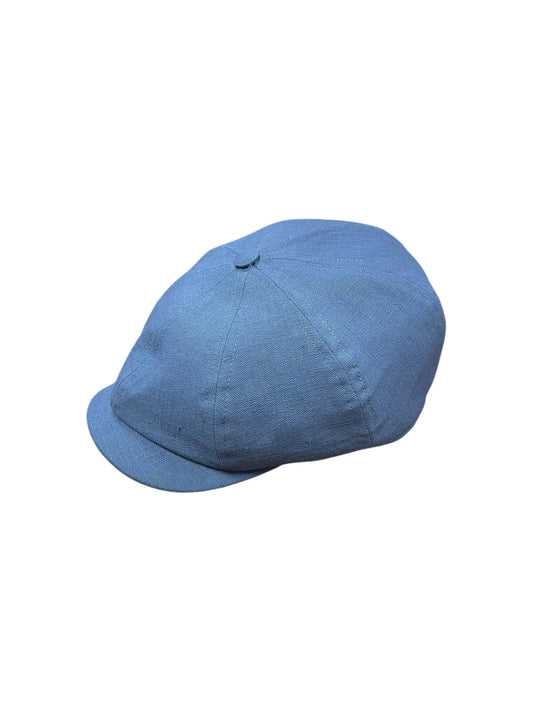
Which 10 Safe Handling Tips Protect a Cap from Creases, Warping and Sweat Stains?
Have you ever reached for a much-loved bakerboy cap or flat cap only to find it misshapen, creased or marked by sweat? Handling headwear without the proper technique can worsen damage. With gentle, considered care you can safeguard a cap's shape, fabric, lining and stitching for years to come.
Ten practical techniques will guide you through identifying fabric weaknesses, preparing a clean, stable work surface, supporting crowns and brims, managing moisture and odour, and recording condition for safe storage and transport. Simple measures such as correct stuffing, padded clips and targeted spot cleaning reduce strain on seams and limit sweat migration, helping to preserve a favourite bakerboy cap or a collector's flat cap and prevent lasting damage.

1. Identify Fabric, Lining and Stitching on Your Flat Cap
Begin by identifying the outer fabric and weave without damaging the hat. Whether examining a bakerboy cap, a flat cap or a more structured piece, start with the care label, then use touch and light to assess the material. Feel the hand for warmth, resilience and slickness; hold the fabric up to the light to judge weave density; and use a jeweller's loupe to look for hair fibres or synthetic filament. Wool, with its characteristic crimp and scaled surface, is more elastic and hygroscopic than cotton. Synthetics tend to appear smoother and shed water differently. These qualities will help predict how a cap will crease, warp or retain moisture. Lift the lining at a seam to inspect any underlying canvas, buckram or ticking, and note the sweatband material. Leather resists loss of shape but shows stains readily, cotton absorbs perspiration and can mask marks, and slippery linings permit internal movement that encourages creasing.
Examine stitching, seam types and reinforcement points with a loupe, noting stitch density, bar tacks at stress points, topstitching around the brim and any millinery wire or pad-stitching in the crown. Gently tension seams to assess their give. Relate these construction details to handling choices: establish whether the cap is structured with interlinings, moulded like a bakerboy cap or soft like a flat cap, and decide when to use an internal form or hat block to support the crown, to avoid applying steam to buckram, or to limit handling of delicate unstructured pieces. Carry out discreet field tests, for example a small colourfastness swab inside a seam and a careful sniff of the sweatband, and record the findings. Use that evidence to select interventions that minimise creasing, warping and set sweat stains.
Use a soft brush to preserve nap and remove dust.

2. Assess signs of wear, weak spots and stress points
Begin by mapping the hat's common stress zones: the sweatband, the crown seams where panels meet, the peak or visor attachment, the brim interlining and the internal lining. For styles such as a flat cap or bakerboy cap, pay particular attention to the crown seams and sweatband, which are often first to show wear. Use non-invasive tactile and visual checks: wear clean cotton gloves, support the crown from beneath when lifting, and press the crown and brim gently to detect softened or failing interlining. Gently pinch fabric at seams to assess thread tension, flex the peak over a curved surface to reveal delamination, and use raking light to expose any thinning of the cloth. Probe seams with a blunt, soft tool to locate loose or broken stitches, and watch for a darkened or discoloured sweatband, a stiff or brittle lining, shiny fibre tracks from abrasion, or an acidic odour, each of which points to probable fibre breakdown, weakened thread or staining that can migrate if left unaddressed.
Document and quantify wear before any intervention. Photograph problem areas under raking light, mark panels on a simple diagram, measure brim flatness against a straight edge or template, and record any broken stitches so you can prioritise repairs for creases, warping or stains. Relate wear patterns to the piece's construction and handling history to anticipate future damage. Bakerboy caps often show stress at the crown seams from repeated removal, flat caps commonly fray at the brim edge, and wired peaks are prone to delamination. Use these tendencies to predict where creases and warping will develop, and adjust handling and storage accordingly: support crowns from beneath and avoid placing pressure on weakened seams to reduce further distortion.
Brush gently to restore nap and remove dust.

3. Prepare a clean, stable workbench for inspection
Prepare a dedicated, clean inspection surface by covering a rigid table with a lint-free cotton cloth, placing a non-slip underlay beneath it, and working over a shallow tray to catch loose fibres. Form an internal support from rolled acid-free tissue or a soft foam block sized to the cap so the fabric rests naturally, as museum conservators do to reduce stress points and prevent creasing during handling. This approach is particularly useful for structured styles such as a flat cap or bakerboy cap. Maintain a steady, moderate ambient condition and avoid direct sunlight or nearby radiators, since wool, leather and cotton absorb and release moisture and can warp or shift stains with sudden drying or swelling. When pausing the inspection, cover the cap with a breathable cloth to prevent rapid changes in moisture.
Arrange a neat, ordered tray for your tools: white cotton gloves, a soft-bristle brush, a lint roller with replaceable sheets, small soft cloths and labelled containers for pins or needles. Use a separate tray for each cap to prevent cross-contamination that can alter colour and hasten soiling. Optimise lighting with diffuse, daylight-balanced illumination set low across the cap to reveal surface undulations and any irregular stitching, and keep a handheld loupe or headband magnifier to inspect sweat stains and seam tension, since side-lighting combined with magnification exposes issues invisible in flat light. Handle caps by the brim and sweatband rather than pinching the crown, supporting bakerboy caps and flat caps with two hands beneath the peak. When not holding a cap, rest it on a padded hat block or foam ring to maintain shape and avoid new creases.
Choose a durable tweed cap to maintain its shape

4. Choosing appropriate stuffing and internal supports for hats
Choose breathable, pH-neutral supports such as acid-free tissue, unbleached muslin or cotton batting. These materials allow airflow, wick perspiration and reduce acid migration that leads to fabric discolouration, which is why they are favoured by conservators. Shape the stuffing to the hat’s form by rolling tissue into loose tubes to fill crowns, making narrow rolls to pad sweatbands and inner seams, and using shallow, contoured pads for a bakerboy cap or flat cap to preserve the original silhouette and prevent creasing. For structured hats, select removable, correctly sized forms such as lightweight wooden or foam blocks and padded cradles to support brim curvature and crown height without over-stretching fibres. Avoid hard inserts that create pressure points or distort the hat.
Control moisture by lining hat supports with a fabric that tolerates contact with sweatbands. Place desiccant sachets in breathable pouches close to stored hats, and avoid enclosing a stuffed hat in non-breathable plastic, as trapped moisture accelerates sweat staining and mould. Test any coloured fabric for dye transfer in a small, inconspicuous area before insertion. Clearly label each support with the cap type and its correct orientation so future handling mirrors natural wear and helps prevent long-term warping or seam stress. Store supports to reflect the hat's natural shape, and keep records linking each removable form to its cap to aid future examination. This care is particularly important for wool flat caps and bakerboy styles.
Choose breathable cotton to preserve shape and prevent moisture

5. Stuff the crown and brim to preserve the hat's original silhouette
To preserve a cap's shape, pad the crown with acid-free tissue, unprinted cotton muslin or clean lint-free cotton. Avoid newspaper or glossy paper, as ink transfer and acidic pulp can discolour and weaken fibres. Roll the tissue into loose 'sausages' and layer from the centre outwards, gently shaping the dome until the cap regains its natural curve. Stop before the fabric feels taut to prevent stretching seams or flattening any internal padding. For bakerboy caps or flat caps, support the brim separately by inserting a thin curved roll or a shaped muslin pad beneath the edge to maintain the flat or peaked line.
For caps such as a flat cap or bakerboy cap, slip a thin absorbent pad between the sweatband and crown, and only stuff the cap once it is completely dry. Trapped sweat is acidic, will set stains and, over time, can weaken stitching. Replace the pad after wear to manage moisture and reduce the risk of staining. Store the cap on a shallow hat form or lay it flat with both crown and brim properly supported and lightly stuffed, then cover with a breathable cotton or muslin bag. Keep silica gel or a similar desiccant nearby to help control humidity. This combination of breathable support and moisture control helps prevent mould, preserve the shape and prolong the cap's structural integrity.
Keeps flat caps dry and shape intact.

6. Use padded clips and internal supports to preserve a hat's shape
Position low-pressure, padded clips at several contact points along the brim and sweatband to distribute the load and avoid sharp creases. Trial clip placement on an inner seam first to check for marking before fitting across the whole cap. Insert shaped internal supports matched to the style, for example soft foam forms for a bakerboy cap or acid-free tissue rolls for a flat cap, so the crown retains its natural curvature without creating pressure lines. Line clip and support contact areas with a thin cotton calico or muslin barrier to wick moisture away, prevent direct contact that can cause staining or abrasion, and provide a replaceable surface that can be laundered. These measures help to distribute stress across the fabric, reduce the chance of set creases and allow air to circulate so the materials may breathe, preserving the cap's silhouette.
For flat caps and bakerboy caps, fit removable, breathable absorbent pads beneath the sweatband to capture perspiration. Replace the pads between wears and avoid adhesives that can stiffen or distort the band over time. Rotate and inspect any internal supports regularly, adding or adjusting padding at emerging pressure points to prevent creases from setting. Store caps on shaped forms or padded stands so the fabric can relax, and treat calico barriers and absorbent pads as replaceable items to preserve cleanliness and minimise long-term staining.
Opt for a shaped, breathable cap that preserves form.

7. Handle with care to prevent creases and loss of shape
Treat a cap as you would any fine piece of millinery: lift it with both hands, supporting the crown from beneath rather than by the peak or the seams. Cupping a bakerboy cap from the interior prevents pinching the fibres, which can fold into permanent creases. Handle the sweatband and lining with clean, dry hands or thin cotton gloves, as body oils and perspiration transfer quickly and can set into wool, leather or silk, leaving stubborn stains. When adjusting, rotate the cap gently instead of twisting it, and avoid probing seams or stiffeners; many period styles, including those popularised by Peaky Blinders, contain internal buckram that will deform under repeated pressure.
When setting a cap down, rest it on a rounded support or a padded surface that follows the hat's inner shape. Laying a flat cap crown down or hanging it by the peak concentrates stress and can lead to warping. Lightly stuff the crown with acid-free tissue when examining panels or transporting the hat to distribute pressure away from single points. Avoid overfilling, as excess stuffing will stretch seams and distort the silhouette. These simple supports and minimal stuffing help preserve the shape while allowing inspection of linings, sweatbands and styling details without causing further damage.
Choose a water-resistant cap for damp days.

8. Manage moisture, sweat and odour without risking damage
Blot perspiration immediately with a clean, lint-free cloth or microfibre, patting gently rather than rubbing. Perspiration contains salts and oils that can set into fibres, causing stains and distortion. Use a removable, absorbent sweatband or hat shield when trying on caps, as replaceable bands catch moisture and odour and can be laundered without risking the structured crown of a bakerboy cap or flat cap. For spot stains, mix a little mild, pH-neutral soap with cool water and test on an inconspicuous inside seam before dabbing with a soft cloth. Take care not to saturate buckram or brims, which can warp when over-wet. Air caps on a hat stand in a well-ventilated, shaded spot. To reduce odour, place an open sachet of baking soda or cedar shavings in a breathable bag alongside the hat, and keep hats away from direct sunlight and heat, which will fade fabrics and alter their shape.
Use steam sparingly to ease creases and to reshape a hat on a hat block or form. Hold the steamer several centimetres away and never over-steam glued or stiffened areas. For valuable or heavily stained millinery, seek a specialist cleaner, as over-wetting or aggressive cleaning can cause irreversible damage to stiffened crowns and brims. In combination, prompt blotting, removable sweatbands, careful spot cleaning, gentle airing and cautious steaming will help control moisture, perspiration and odour without compromising shape or finish.
Gently brush regularly to restore nap and remove dust.

9. Spot-clean and mend minor faults as part of inspection
Begin by identifying the hat's fabric. Test colourfastness in an inconspicuous spot by dabbing with a damp white cloth and plain water or a very dilute gentle detergent and check for any dye transfer to avoid bleeding or felting. For sweat and protein stains, blot with cool water first, then treat with a very dilute enzyme cleaner applied sparingly with a cotton bud or with a white vinegar solution. For greasy marks, sprinkle cornflour or another absorbent powder, allow it to draw out the oil, then brush the powder away gently. Always blot rather than rub to minimise fibre distortion. Careful testing and targeted spot care will help reduce the risk of irreversible damage when tending to heritage pieces such as a flat cap or bakerboy cap.
Brush gently to restore nap and remove surface dust

10. Record condition, store and transport with proper care
When preparing a condition report for headwear, be meticulous and precise. Take a minimum of three photographs from different angles, including a scale to indicate size, plus close-up shots showing materials, construction and measurements. Note the exact location and appearance of any creases, warping or sweat stains, and use raking light to reveal low-relief distortion on felt bakerboy caps, flat caps or stitched peaks. Keep a simple chain of custody that logs every contact and movement, record any prior cleaning or repairs, and attach a removable paper tag to the package rather than pinning or taping the fabric so future handlers can read the cap's history without risking damage.
Careful, considered handling preserves a cap's shape, fabric, lining and stitching by reducing seam stress, preventing set creases and limiting sweat migration. Ten practical techniques, from identifying materials and mapping stress points to choosing breathable supports and gentle spot cleaning, offer clear, non-destructive guidance for inspection, storage and transport of heritage styles such as the flat cap or bakerboy cap.
To stabilise and prevent further warping, use appropriate stuffing, padded clips and gentle lifting techniques. Control humidity and carry out targeted cleaning to address existing damage. Record each item's condition, house caps on breathable forms or hat blocks, and rotate supports so future handling mirrors original wear, keeping bakerboy caps and flat caps ready to wear or to conserve.