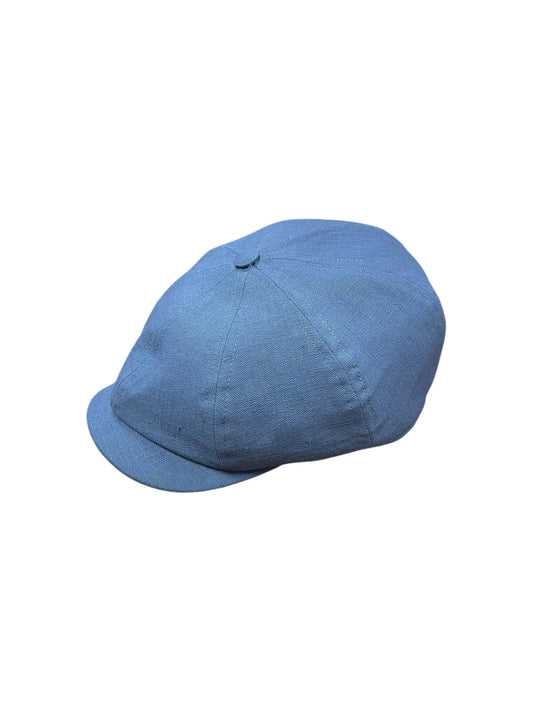
Which 10 Hat Materials Best Withstand Rain and Wind in the Countryside?
When a sudden squall strikes during a country shoot or a blustery ride, the wrong hat can leave an outing damp and uncomfortable. Which hat fabrics shed rain, resist wind and remain breathable whilst walking, riding or enjoying a weekend in the countryside?
This guide explores traditional millinery materials, from classic wool to fur felt, assessing water resistance, windproofing, breathability and weight. It also sets out practical inspection points for brims, crowns, seams and linings, and offers care and reproofing advice to help you select the right fabric whether you favour a bakerboy cap, a flat cap or a wide-brimmed hat.

1. Prepare for rain, wind and changeable countryside weather
Choose a low crown shape such as a bakerboy cap or flat cap to reduce wind lift, or select a wider, stiffened brim to throw rain away from the face. Test the fit with a brisk walk to ensure it stays put. Prioritise tightly woven waxed cotton or treated wool for effective surface-shedding, and where driving rain is frequent consider a laminated, breathable membrane, bearing in mind these perform only if seams are taped and construction is sound. Inspect for traditional millinery finishes: taped or sealed seams, reinforced sweatbands, underbrim coatings and internal bracing to prevent soak-through and flapping.
For wool, tweed and furfelt hats, occasional reproofing with a specialist hat wax can be appropriate; consult the hat’s care label or a reputable milliner for recommended products and step-by-step instructions. Do not wax straw, leather, suede or hats with water-repellent finishes, as incorrect treatment can alter the colour, finish or structure and may affect any warranty. Reseal seams where needed and dry gently before reshaping on a hat block or former to retain the profile. Store hats on a hook or in a breathable bag to preserve the finish and avoid mildew. For a quick field fix, a brief walk into a gust will reveal brim behaviour, allowing you to assess lift; a discreet chin cord or hat clip can help, or try a less absorbent lining or a removable insert if a hat traps moisture. These simple checks and adjustments, together with the manufacturer’s care guidance or a milliner’s advice, will help maintain water resistance and breathability without compromising comfort.
Choose a low-profile waxed cap for secure weather protection.

2. Evaluate materials for water resistance, windproofing, breathability, and weight
When assessing a hat's weather performance, focus on a handful of measurable metrics: water resistance (hydrostatic head in mm), windproofing (air permeability or a simple gust test), breathability (MVTR in g/m2/24h) and overall mass in grams. Use practical thresholds as a guide: a hydrostatic head above 1000 mm denotes strong resistance to driving rain, an MVTR of roughly 5000 g/m2/24h or higher suggests good vapour transfer, and very low air permeability or a near zero reading indicates effective windproofing. At home you can verify laboratory figures with straightforward checks: a spray or pour test to observe water beading and soak time, a fan gust test to assess blow-through and brim performance, and a kitchen scale to confirm weight. Combine these measures to judge the balance between comfort and protection when choosing traditional headwear such as a flat cap or bakerboy cap.
Material and construction determine how a hat behaves in the real world. Waxed cotton and oilskin will bead water and delay wet-through, though they reduce vapour permeability. Treated tweeds and tightly woven cottons breathe better when dry but benefit from a water‑repellent finish for light drizzle. Technical microfibres and membrane-lined fabrics shed wind-driven rain while retaining breathability, and felt or wool insulate even when damp though they will feel heavier. Think about features as well as fabric. Taped seams, a firm brim, internal liners and vents, and an adjustable chin cord or fitted band all influence performance. Inspect seam finishes, brim stiffness and lining type before buying or altering a hat. Simple modifications, such as a removable liner or a chin cord, can markedly improve suitability for different conditions. Balance weight and packability against intended use. For long, active walks aim for hats around 100 g; for stationary or exposed tasks choose more structured styles nearer 150 g. Care is straightforward: dry textiles away from direct heat, reproof waxed materials with a firm, even application and gentle warming, and reseal seams as needed. Check for consistent water beading and an unchanged fit after maintenance. Whether you favour a flat cap, a bakerboy cap or a more structured traveller, matching construction to use will keep a hat performing at its best.
Opt for waxed cotton to repel driving rain effectively.

3. Choose wool felt for traditional water resistance and enduring performance
Wool felt resists water because the felting process interlocks the fibres into a dense mat and preserves natural lanolin, so raindrops tend to bead and run off rather than soak through. Fur felt generally sheds water even more effectively in heavy downpours. For better weather performance, favour a tighter, heavyweight felt and opt for a downturned or narrower brim with a lower crown to reduce wind catch. Traditional millinery shapes such as the trilby, bowler, bakerboy cap and flat cap each offer a different balance of coverage and airflow suited to countryside conditions.
Fit matters in wind. Choose a snug internal sweatband and, when crossing exposed fields, consider a discreet hat elastic or chin cord. Opt for lower-profile styles, such as a flat cap or bakerboy cap, that sit closer to the head if you need the hat to remain secure. Should a hat become wet, blot excess moisture with a clean cloth. Gently reshape with steam over a hat block or a rounded mould, then allow to air dry away from direct heat. Once dry, restore the nap with a soft hat brush. Strongly misshapen felt is best entrusted to a professional milliner for reblocking rather than being forced dry on unsuitable forms. For added durability, apply a water-repellent treatment sparingly, fit a leather or grosgrain sweatband to deflect run-off, and consider reinforced brims or wired edges to help the hat retain its shape in strong winds.
Choose waxed cotton for dependable rain protection.

4. Choose fur felt for a denser, more durable finish and protection
Fur felt is a hat fabric formed when fine animal fibres, typically from beaver, rabbit or hare, mat together to create a denser textile than plain wool. A higher proportion of fur and finer fibres produces a tighter nap, which helps the felt shed water and resist wind. When comparing hats, favour a greater fur content and a finer nap. Assess density by hand: the felt should feel firm and resist creasing, the nap should appear compact and even, and a smooth or gently brushed finish is a good sign of superior water beading. This performance is especially important in styles such as a flat cap or bakerboy cap, where the material affects both appearance and durability.
To test a hat's water repellency discreetly at home, place a few drops of water on a hidden area, such as the underside of the brim. If the droplets bead and run off, the surface is repellent; if they soak in, the hat will need reproofing and careful drying. For shelter in wind and rain, favour shapes with a deeper crown and a structured brim. A fur-felt bakerboy cap or flat cap will generally give denser coverage than a wool version, and a sewn-in sweatband combined with a reinforced brim helps the hat hold its shape in blustery weather. Routine care preserves performance: brush gently with a soft-bristle brush following the nap, store on a hat block or a flat surface, and reshape with steam and gentle reblocking rather than exposing the hat to direct heat. If a hat begins to absorb water despite these measures, seek a milliner for professional reproofing and advice.
Brush gently to maintain nap and water beading.

5. Choose tweed or dense worsted wool for flat and bakerboy caps in blustery weather
Dense worsted wool is combed and tightly spun into smooth, close yarns that form a compact weave, shedding wind and rain, whilst tweed's textured weave and natural lanolin trap pockets of air to repel moisture. Over time, worsted tends to resist penetration and dry more quickly, whereas tweed retains insulating loft and resists abrasion, so long-term performance relies as much on millinery construction and attentive care as on fabric alone. Inspect construction closely: tightly stitched seams, a discreet underlining or lightweight windproof membrane, a snug internal sweatband and a low, stiffened brim are the details that determine how well a flat cap or bakerboy cap stands up to blustery weather.
Reproof wool sparingly, using a specialist woolproof product and testing first on an inconspicuous area. After exposure to rain, gently brush the nap to restore the water-shedding fibres, and reshape the cap on a hat block or a rolled towel while it dries away from direct heat. For blustery countryside conditions, favour a low-profile flat cap for greatest resistance; consider a bakerboy cap only when the crown sits close to the head, and choose a size that sits firm without pinching so the cap stays put in gusts. At home, lightly mist a cap to check beading and seam performance. Bear in mind that added membranes improve windproofing but reduce breathability, and rotate caps so wet items can dry fully before being worn again.
Pick a water-resistant, low-profile cap for blustery conditions.

6. Use waxed cotton or oilcloth for traditional, weatherproof protection
Carry out a quick waterproof test by sprinkling or flicking a little water onto a hidden patch of the hat. If the drops bead on the surface, the proofing remains intact; dark wet patches indicate the fabric is saturated; immediate absorption shows the item needs reproofing or that an alternative material may be more suitable. Waxed cotton impregnates the weave and develops a soft, weathered patina while retaining some breathability, making it a traditional choice for flat caps and bakerboy caps. Oilcloth depends on a surface coating that repels water instantly but reduces breathability and can abrade with heavy use. Let the test result, together with the activities you plan to undertake, guide whether to reproof waxed cotton or to opt for oilcloth where immediate repellence outweighs breathability.
To reproof a waxed hat, begin by brushing away loose dirt and warming the hat gently to relax the fibres. Using a clean cloth, work a suitable wax paste into seams and high-wear areas, allow the wax to absorb and set, then buff gently to restore the finish. Repeat on any spots where water no longer beads. To improve wind resistance, favour lower crowns, a snug internal band, stitched or wired brims, or a discreet chin cord or internal drawstring. Traditional shapes such as flat caps and bakerboy caps sit lower on the head and are naturally less likely to be blown off. For routine care, air dry damp or soiled areas, avoid machine washing, and store hats on a hat block or lightly stuffed with tissue to preserve their shape. Inspect seams and sweatbands regularly and attend to any repairs promptly. Reproof when water ceases to bead and check high-wear spots after heavy use to maintain weatherproofing and prolong the hat's life.
Choose a waxed, packable hat for reliable rain protection

7. Choose oiled leather for durable, wind-resistant headwear
Oiled leather repels rain because oils and waxes fill the pores so water beads and runs off; full-grain leather, with its denser fibre structure, also stands up better to gusts than looser weaves. For countryside wear, opt for lower crowns such as a flat cap or bakerboy cap, with a firm, stitched brim or peak to shield the face. Choose a close-fitting internal sweatband to reduce lift and reinforced seams to prevent panels billowing in a gale. Break the hat in gently so it moulds to your head, wear it slightly snug or secure it with a discreet chin strap or hat elastic in exposed conditions, and prefer a lined sweatband to manage moisture and odour.
Before treating a leather hat, first test the product on an inconspicuous area. Whether caring for a bakerboy cap or a flat cap, apply a thin, even layer of leather oil or wax with a soft cloth, allow it to be absorbed, then buff away any excess. Take care around seams and the brim edge and avoid saturating the leather. Rinse salt and mud away with fresh water before reproofing to prevent trapping corrosive residues. Oiled leather will darken and develop a patina, and it will be heavier and less packable than technical fabrics; there is also a risk of dye transfer if the leather becomes thoroughly soaked. You can reduce these effects by choosing well finished linings, reproofing after exposure, and storing the hat on a hat block to preserve its shape.
Choose a waxed, packable hat for reliable weather protection.

8. Opt for breathable technical membranes and synthetic laminates for waterproofing
A well-made hat should keep rain out while letting sweat escape. Microporous ePTFE membranes repel liquid water through tiny pores while still allowing water vapour to pass. Polyurethane laminates, by contrast, use hydrophilic transport to move vapour without relying on pores. Check a hat's hydrostatic head to assess waterproofing and its moisture vapour transmission rate to judge breathability, noting that higher values indicate stronger performance. For durability, opt for a membrane laminated between the outer fabric and an inner lining so the film is shielded from abrasion, and look for seams at the crown and brim that are fully taped or welded to prevent leaks. Finally, examine how the membrane is integrated so traditional millinery shapes such as a flat cap or bakerboy cap retain their drape and brim roll.
To reduce condensation during countryside pursuits, pair a laminated membrane with a moisture-wicking sweatband, internal mesh vents or a removable liner positioned behind the membrane rather than pierced through it. Treat laminated hats with care: avoid exposure to extreme heat and harsh solvents, wash by hand in a mild detergent, do not tumble dry or iron, and use suitable seam tape to mend any separated seams. Inspect regularly for pinholes or early delamination so simple repairs can be made to prolong the hat’s serviceable life. Bear in mind the trade-offs. Membranes provide waterproofing with less bulk than heavy coatings, yet some laminate chemistries may stiffen slightly and alter brim behaviour, so try hats on to judge how a bonded membrane affects silhouette, ventilation and the traditional look you seek.
Choose waxed cotton for durable, packable wet-weather protection

9. Inspect brims, crowns, seams and linings to safeguard against the weather
Begin with a simple water test on the brim and crown: sprinkle or dab small amounts of water and observe whether droplets bead or soak in. Beading suggests retained surface oils or effective proofing; rapid absorption indicates the hat may need reproofing or repair. Assess brim stiffness by pressing gently along the edge and across the centre. A floppy brim on a flat cap, bakerboy cap or trilby will struggle to shed wind-driven rain and can often be restored using traditional millinery methods such as inserting a subtle internal stiffener, careful reblocking with steam or the addition of discreet interfacing. Finally, run your fingers lightly along seams and inside the crown to detect puckering, gaps or loose threads. Exposed seam allowance or split stitches will admit water and can be remedied with restitching, seam-sealing tape or small fabric patches.
Examine the lining and sweatband for rot, salt marks or compressed fibres, since a saturated or degraded lining will reduce insulation and trap moisture. Replace the lining with a breathable alternative, insert a lightweight waterproof membrane behind it, or fit a removable sweatband to restore comfort without compromising breathability. Check the condition of the outer material: wool felts and lanolin-rich tweeds tend to repel water and regain their shape after gentle steaming, whereas canvas or cotton may thin, fray and lose wind resistance. Treat thinning areas with reproofing wax, patch bald spots, or reblock the crown to restore the hat's rain-shedding profile and elegant contours.
Choose a waxed cotton bucket for reliable all-weather protection

10. Reproof, care and choosing materials for riding, shooting and countryside weekends
Begin any reproofing with a discreet spot test on an unseen area. Gently warm a little wax and apply sparingly to waxed cotton, working it into the grain with a soft cloth. For tweed and felt, use a spray-on waterproofing suitable for wool, applying evenly so the fibres accept the treatment. Condition leather trims with a neutral balm. Verify success with a simple sprinkle test: water should bead and run off. For drying and everyday care, pat away excess water with a soft cloth, reshape the crown on a hat block or a rolled towel, and allow the hat to air dry away from direct heat. Brush wool and felt gently with a soft natural-bristle brush to restore the nap. If a sweatband becomes damp, remove and dry it thoroughly or replace it to prevent odour and rot. After substantial wet exposure, inspect seams and stitching for salt marks or fibre wear and address any issues promptly. These steps are appropriate for waxed cotton pieces and for tweed, felt and leather elements commonly found on bakerboy caps, flat caps and similar traditional styles.
Match the material to the activity. For riding, opt for low-profile waxed cotton or lined technical fabrics that combine water resistance, breathability and minimal wind lift. For shooting, choose quietly woven, tightly woven tweed to dampen sound and provide extra warmth. For smart countryside weekends, favour felt styles such as a bakerboy cap or a flat cap for their traditional look, inherent water repellence and ability to be reblocked. When transporting or wearing hats in windy conditions, stow them in a breathable hat bag or a structured carrier to preserve shape. Secure a discreet chin strap or elastic for blustery rides, and keep a lightweight waterproof cover to hand for sudden showers. For care and upkeep, apply gentle steam when reblocking felt or wool hats. Perform a sprinkle test and inspect stitching regularly to judge when reproofing or repair is required, keeping hats in good order and respecting traditional millinery practice.
Balance water resistance, windproofing, breathability and weight when choosing materials and shapes to suit your countryside pursuits, from a flat cap on a blustery ride to a bakerboy cap for a country walk. Assess performance with measurable checks such as hydrostatic head, MVTR and taped seams, and carry out simple field spray and gust tests. Preserve a hat's performance with routine reproofing, gentle cleaning and careful drying.
Consider brim stiffness, crown profile, seam sealing and the condition of the lining when deciding between wool felt, tweed, waxed cotton, oiled leather or membrane-lined styles. Try a hat in the conditions you expect to wear it and reproof or have it repaired if its water beading diminishes. Store and carry hats with care so they retain their shape and keep you dry and comfortable on rides, shoots and country weekends.